Embedded Software
Embedded software sits at the intersection of hardware and high‑level logic, from microcontroller firmware to real‑time systems. It demands tight control over timing, memory, and peripherals, often under strict constraints. This category explores the craft of writing reliable, efficient, and maintainable embedded C/C++ code, focusing on patterns, concurrency, and hardware abstraction for resource‑constrained environments.
2026
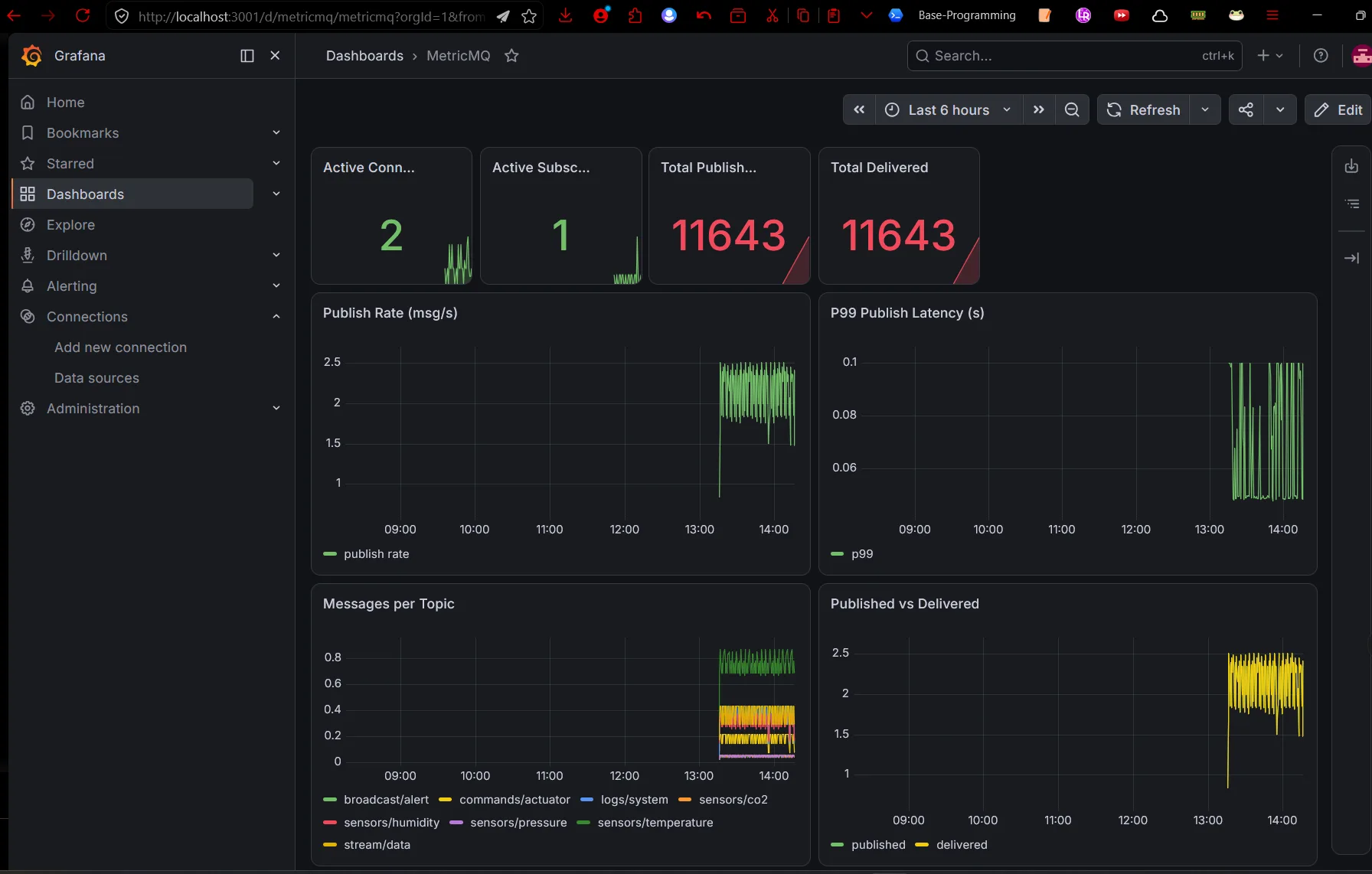
MetricMQ: Exploring Lightweight Messaging for Constrained Devices
Why I am building MetricMQ, the trade-offs it explores, and how to try its basic publish-and-subscribe flow without an ESP32.
Continue reading MetricMQ: Exploring Lightweight Messaging for Constrained Devices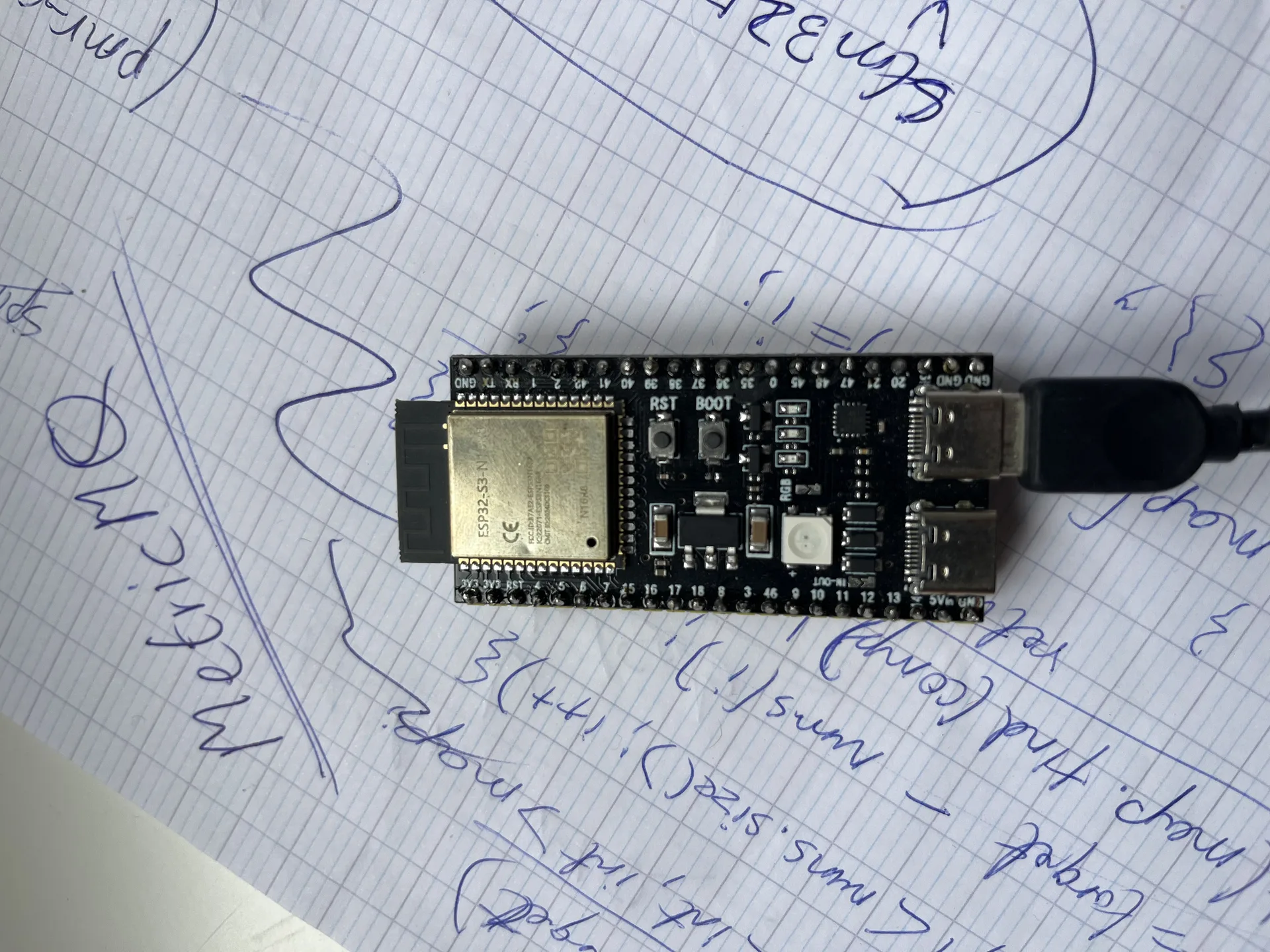
Getting Started with MetricMQ on ESP32
MetricMQ is a 328 KB C++20 message broker built from scratch and still under development. In this blog post the metricmq is demostrated on the Esp32-s3 N16R8 Module
Continue reading Getting Started with MetricMQ on ESP32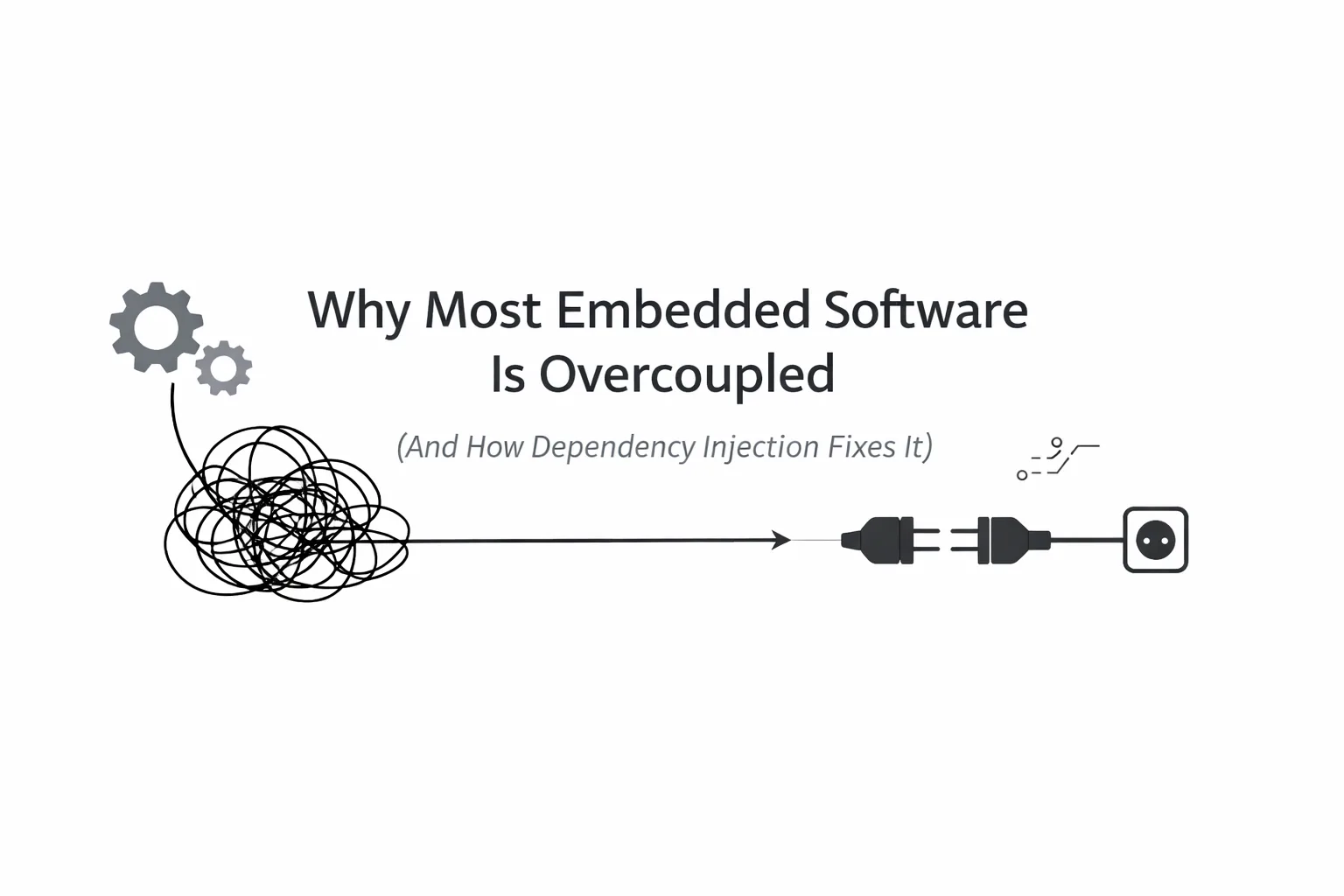
Why Most Embedded Code Is Tightly Coupled — And How Dependency Injection Fixes It
Why direct register writes and HAL calls inside your application logic make firmware impossible to unit test on PC. Here is how to use Dependency Inversion and Injection in C and C++ using real I2C sensor hardware.
Continue reading Why Most Embedded Code Is Tightly Coupled — And How Dependency Injection Fixes It
An Experimental Setup - for Building Local First, Portable Embedded C++ pipeline with self-hosted CI
A experimental setup on how to build stack using “Woodpecker CI, Cosmopolitan, and Google Pigweed” for small firmware teams to automate build-test-flash pipelines for their embedded systems
Continue reading An Experimental Setup - for Building Local First, Portable Embedded C++ pipeline with self-hosted CI2025
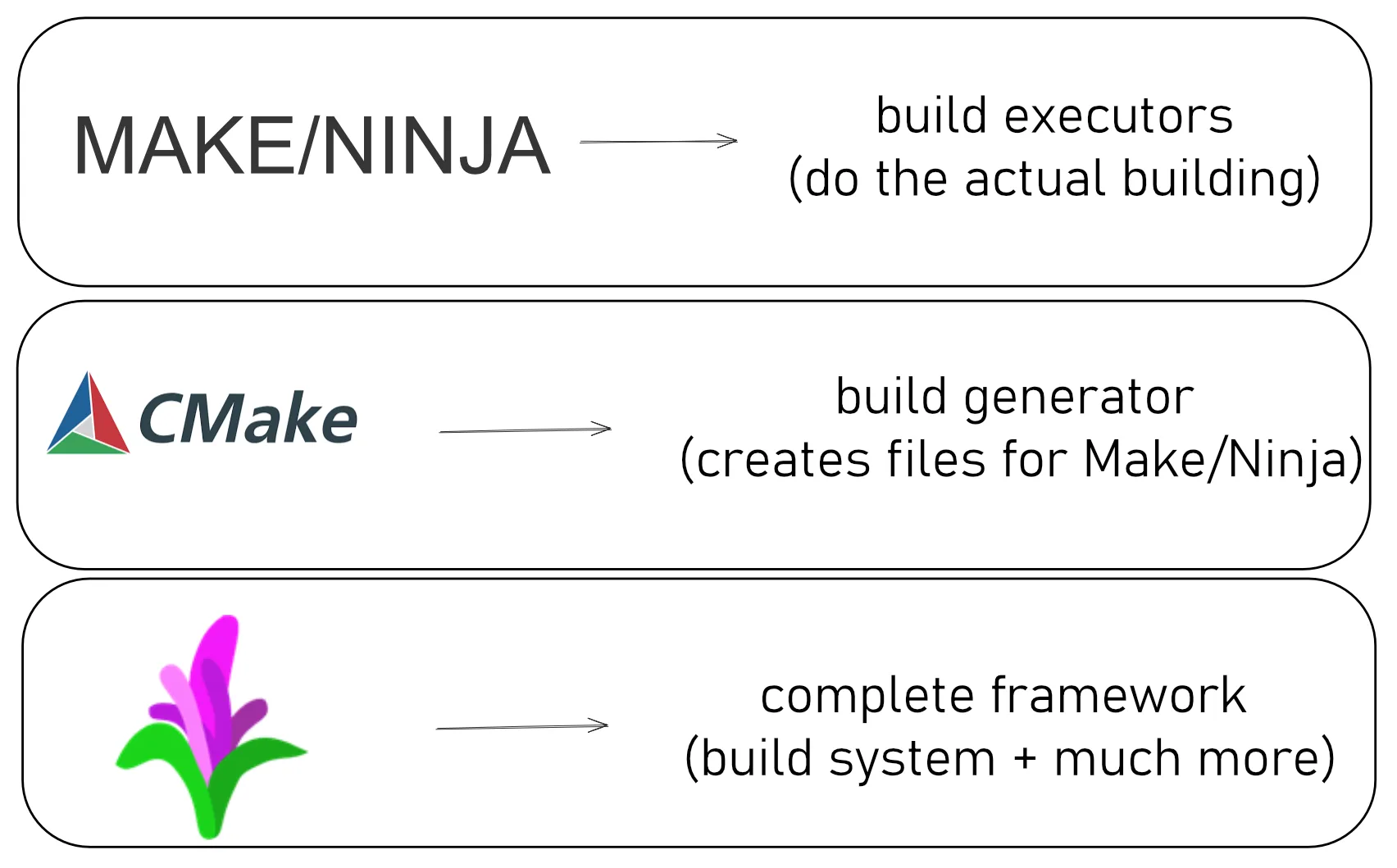
Build Systems in Embedded Development: From Make to Pigweed
Why does your code compile on your machine but fail on your teammate’s? Explore Make, CMake, and Pigweed—the tools that turn scattered C++ files into working firmware. Learn which one you actually need and why that answer might surprise you.
Continue reading Build Systems in Embedded Development: From Make to Pigweed