Why I am building MetricMQ, the trade-offs it explores, and how to try its basic publish-and-subscribe flow without an ESP32.
Message brokers let applications exchange data without every producer maintaining
a direct connection to every consumer. On a microcontroller, the protocol parser,
buffers, reconnect logic, and security code all compete with the application for
memory. MetricMQ started with a practical question:
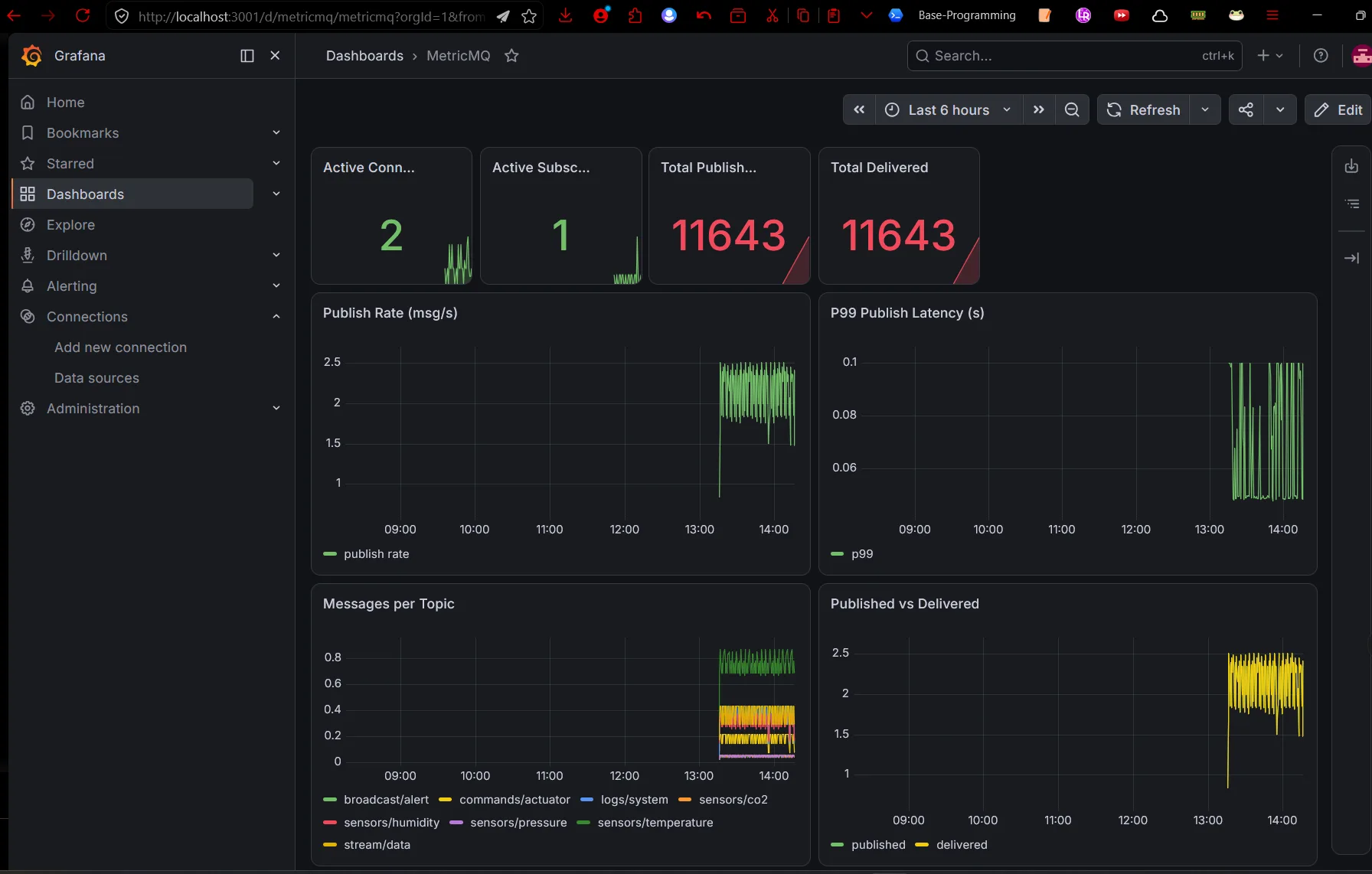
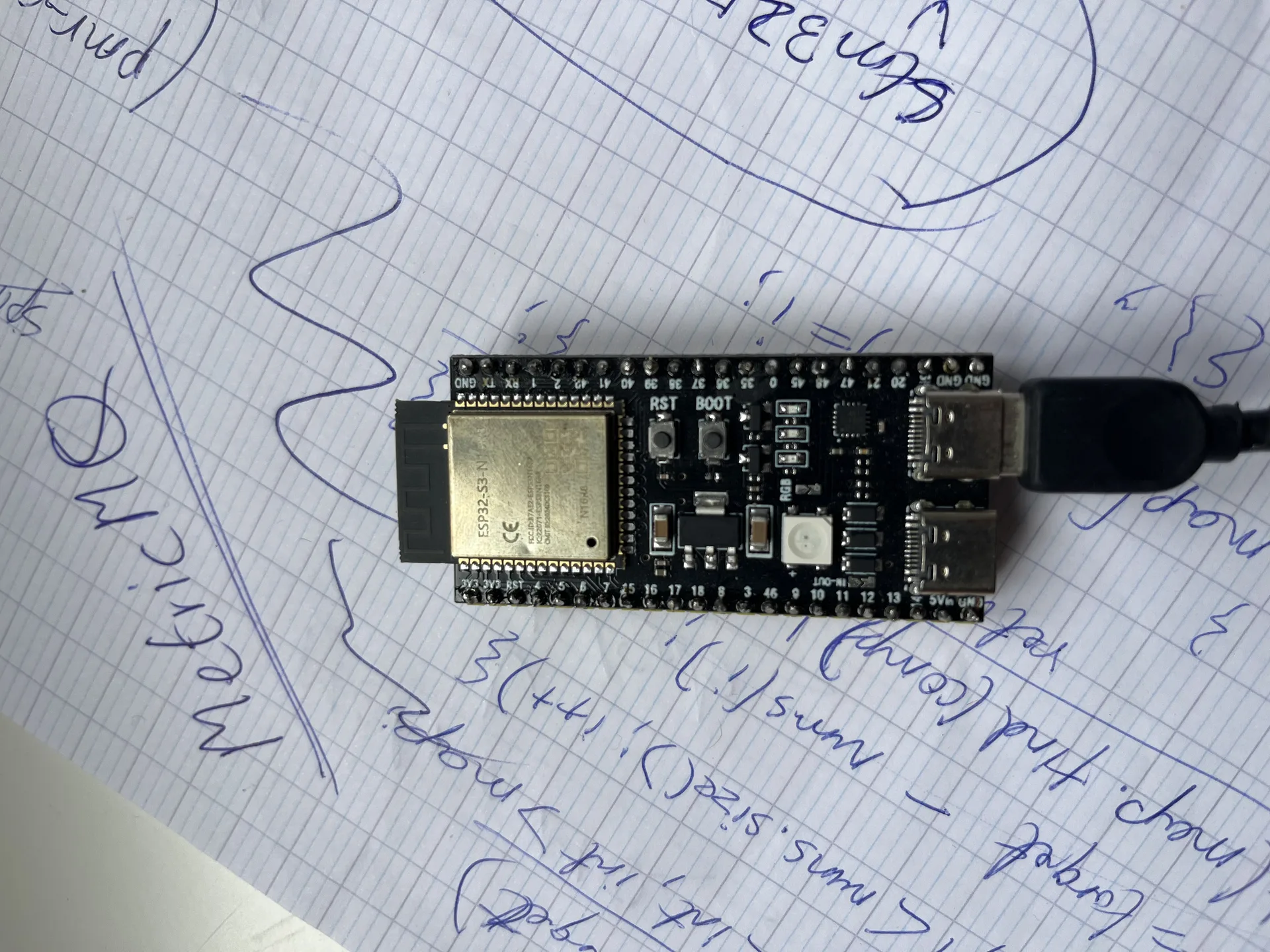
MetricMQ is a 328 KB C++20 message broker built from scratch and still under development. In this blog post the metricmq is demostrated on the Esp32-s3 N16R8 Module
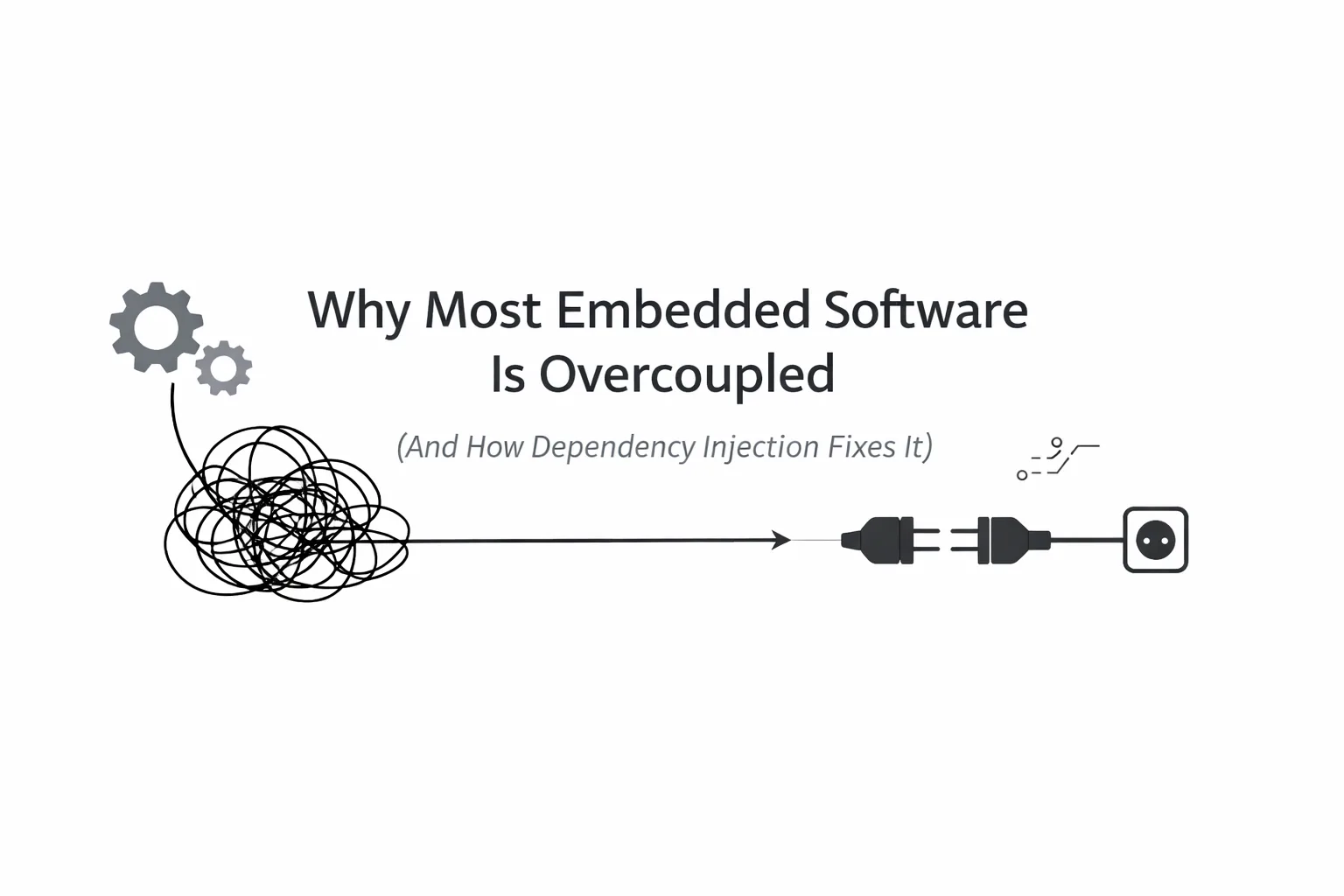
Why direct register writes and HAL calls inside your application logic make firmware impossible to unit test on PC. Here is how to use Dependency Inversion and Injection in C and C++ using real I2C sensor hardware.
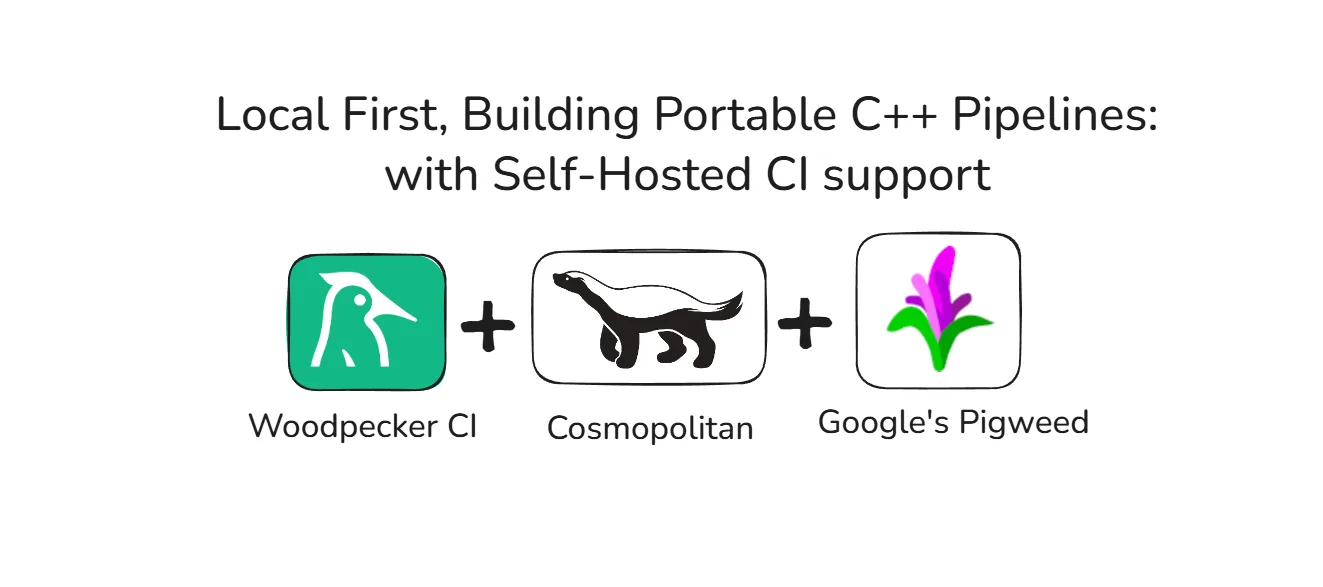
A experimental setup on how to build stack using “Woodpecker CI, Cosmopolitan, and Google Pigweed” for small firmware teams to automate build-test-flash pipelines for their embedded systems
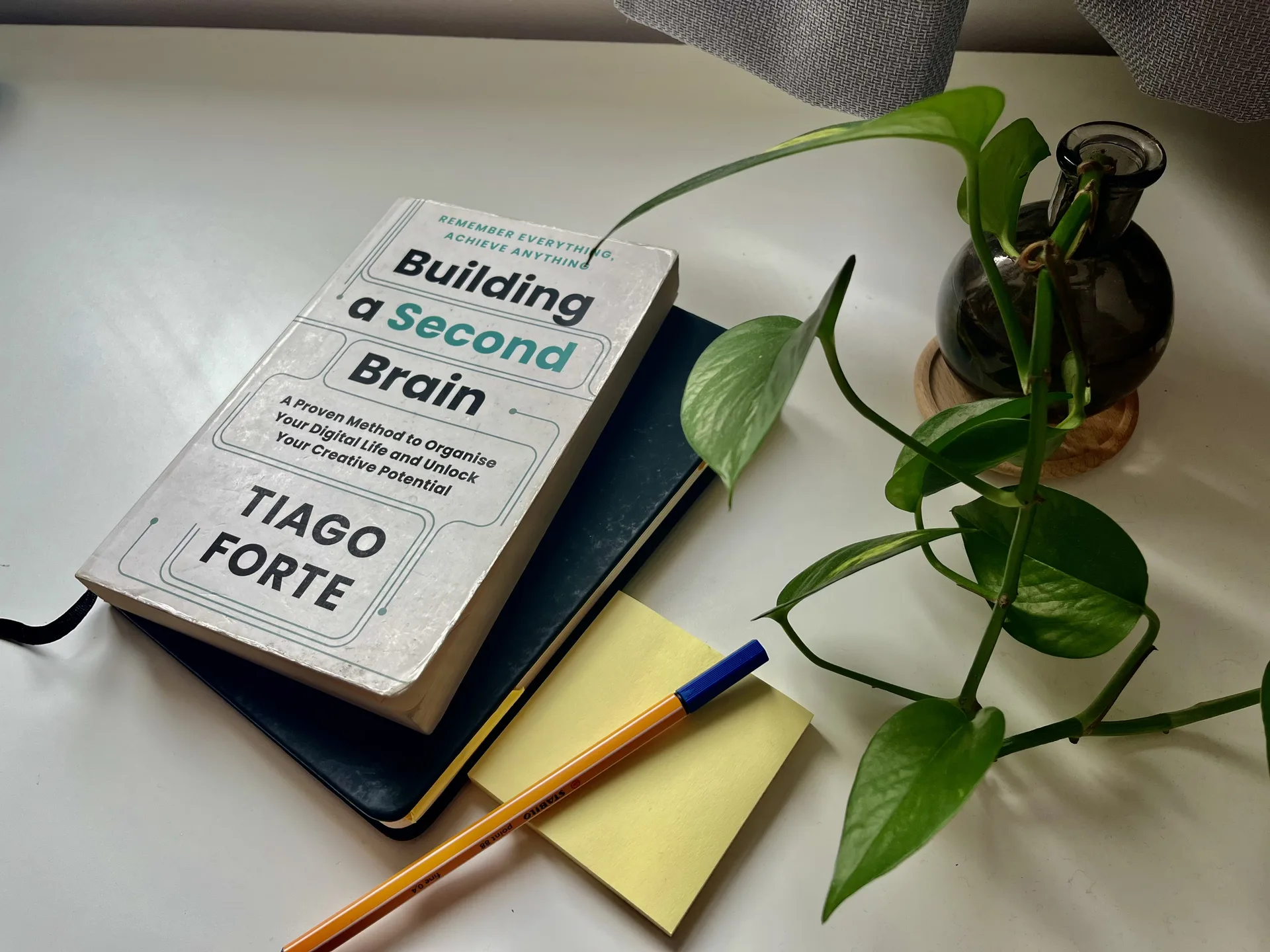
More information does not equal more clarity. Here is a beginner-friendly guide to turning information overload into clear engineering decisions using Tiago Forte’s CODE and PARA systems.
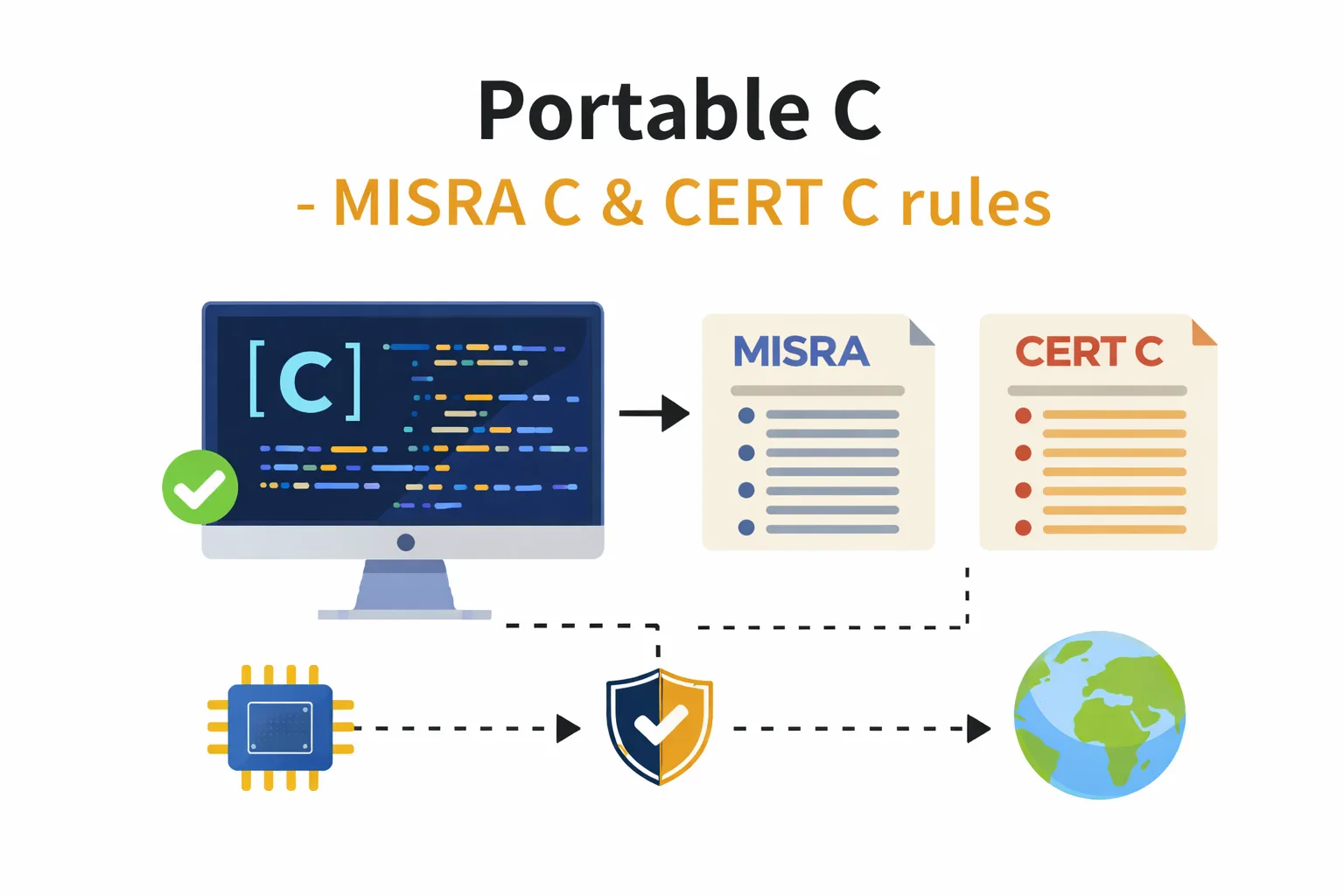
The C language has powered satellites, pacemakers, and aircraft flight computers for five decades. That longevity is not accidental, and neither is the discipline required to keep it safe.
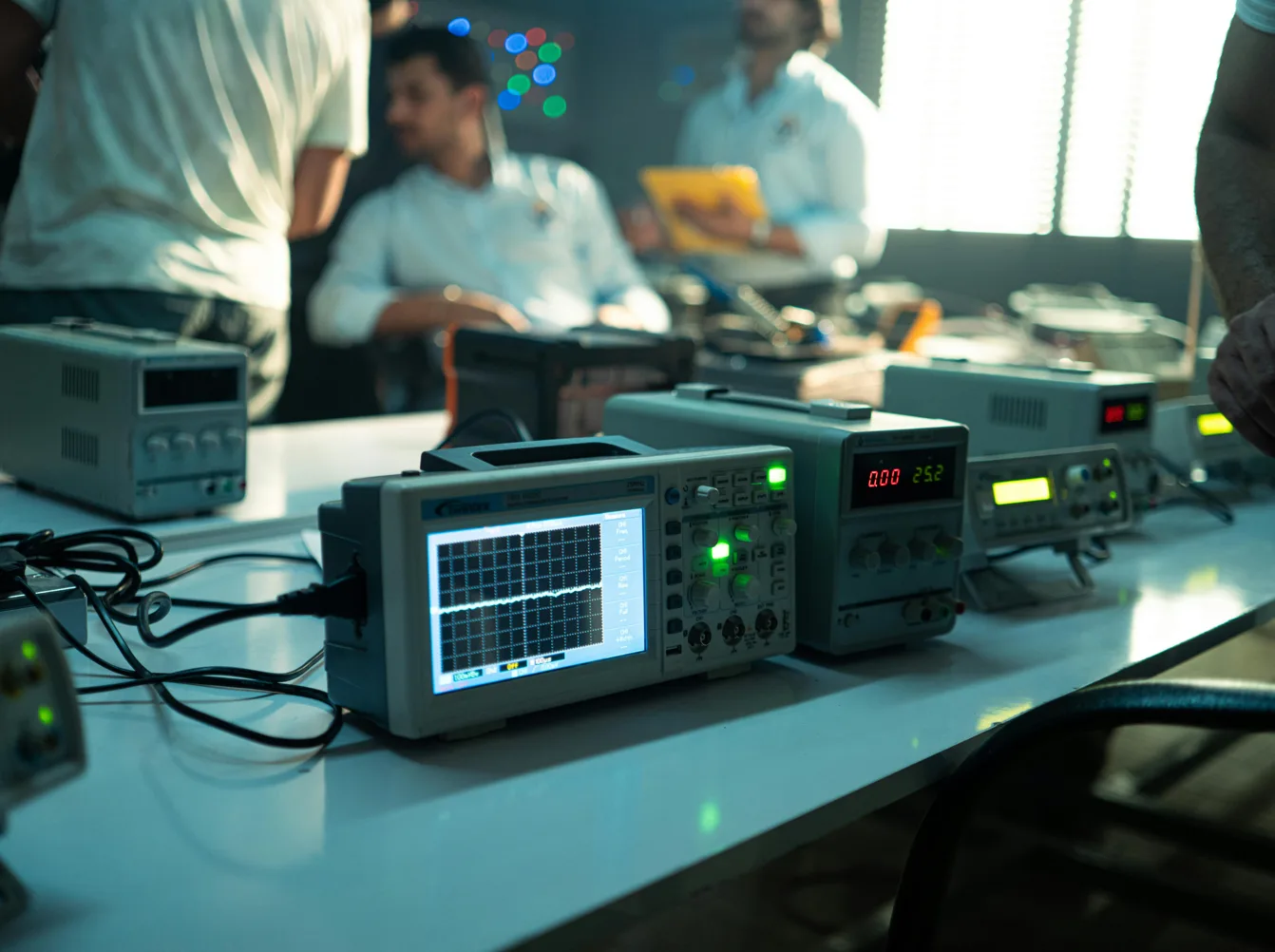
Good measurement is extremely essential in testing, because acquired data drives key engineering decisions. While engineers prefer automated testing to minimise human error and accelerate the process of data acquisition. But automated testing is not all about running scripts on a loop. If not checked, automated testing can introduce incorrect conclusions and poor engineering decisions
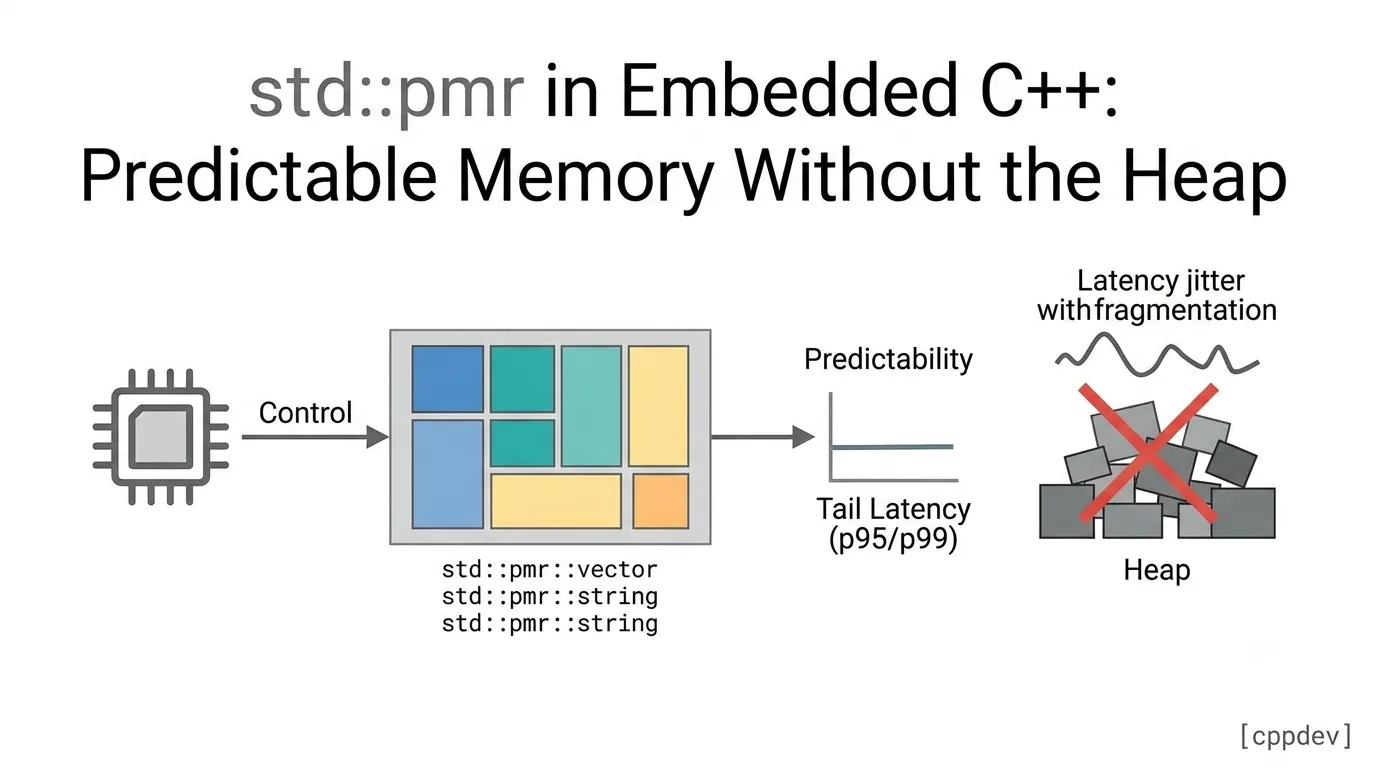
A practical embedded-first guide to std::pmr: what it solves, where it fits, how to size buffers safely, and when to prefer a custom allocator or plain static storage instead.
Seven ways C++ inheritance can create issues, and how Rust’s composition model fixes them all. From diamond problems to fragile base classes, see why composition wins in the long run.
Keep going!Keep going ×2!Give me more!Thank you, thank youFar too kind!Never gonna give me up?Never gonna let me down?Turn around and desert me!You're an addict!Son of a clapper!No wayGo back to work!This is getting out of handUnbelievablePREPOSTEROUSI N S A N I T YFEED ME A STRAY CAT