Lesser Known Fermented Drinks From Rural India
Exploring the hidden gems of India’s rural fermentation traditions - from rice beers to palm saps, these drinks tell stories of ancient wisdom and community spirit.
Growing up in India, I always heard stories about the incredible variety of local brews that families and communities have been making for generations. These aren’t your fancy craft beers or commercial sodas—they’re the fermented drinks born from necessity, tradition, and a deep understanding of local ingredients. From the misty hills of the Himalayas to the coastal villages of Kerala, rural India has a rich tapestry of fermented beverages that deserve more attention. Let’s dive into some of these lesser-known treasures.
- A Bit of History
- Northeast India: Rice Beers and Community Spirits
- North and the Himalayas: Barley and Flower Wines
- Central and Eastern India: Tribal Traditions
- West and South India: Fruits, Flowers, and Palm Saps
- Reference: The Image’s Original Sources
A Bit of History
These drinks go way beyond just a quick buzz—they’re deeply tied to everyday rural life in India. Ancient stories and tribal customs talk about fermented drinks made from grains, flowers, and tree saps, popping up in rituals, festivals, and casual get-togethers. In so many places, the art of brewing gets passed down through generations, closely linked to the seasons and the land. It’s amazing how fermenting something as simple as rice or palm sap can hold so much meaning.
From what I’ve gathered about traditional brewing, a lot of these drinks use natural starters and whatever’s local. Take rice beers like Apong and Judima—they often start with herbal mixes, while palm saps for Toddy just ferment naturally in clay pots. Sites like Arishtam have awesome tutorials showing how these old methods keep the good bacteria and flavors alive, making the drinks not only tasty but also good for you.
Northeast India: Rice Beers and Community Spirits
The Northeast is a paradise for rice-based ferments. In Assam, locals brew Judima, made from rice with an herbal starter, and often enjoyed during festivals and community feasts. Head to Arunachal Pradesh, and you’ll encounter Apong, a rice beer that’s as much about bonding as it is about refreshment, served in bamboo cups or earthen pots during daily village life and rituals. These drinks are often served in bamboo cups or earthen pots, adding to the rustic charm. I remember hearing about how these brews bring villages together during harvest time—nothing beats that sense of community.
Images are sourced from the internet. Original sources are credited in the Reference table below.
| Drink | Recipe & How It's Made (video link) | The Drink's Picture |
|---|---|---|
| Judima | Rice, herbal starter. Watch | 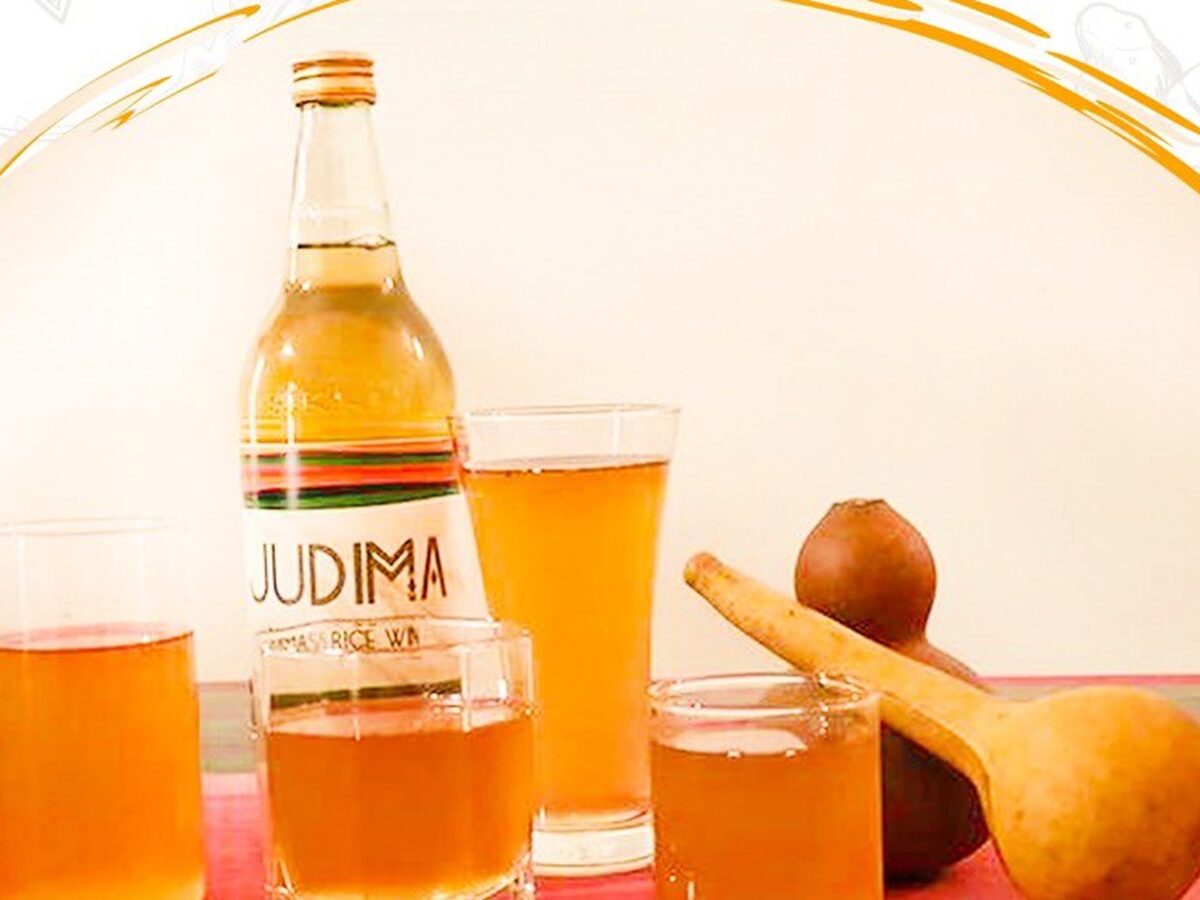 |
| Apong | Rice. Watch |  |
North and the Himalayas: Barley and Flower Wines
As you move north, the drinks adapt to the colder climate. In Himachal Pradesh, locals make Chhang or Lugri from barley and wheat, warming drinks ideal for winter ceremonies. Jammu & Kashmir has Lugdi, a cereal-based ferment that’s energizing in the chilly mountains. There’s something poetic about sipping a hot, fermented drink while watching the snow fall—it’s pure comfort food for the soul.
Images are sourced from the internet. Original sources are credited in the Reference table below.
| Drink | Recipe & How It's Made (video link) | The Drink's Picture |
|---|---|---|
| Chhang/Lugri | Barley/wheat. Watch | 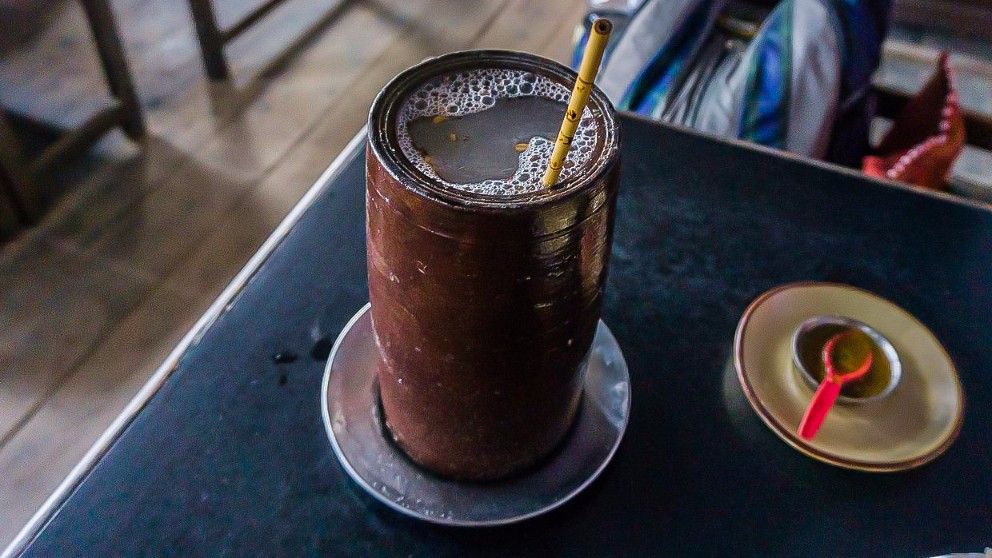 |
| Lugdi | Cereal grains. Watch |  |
Central and Eastern India: Tribal Traditions
Central India is home to some of the most vibrant tribal brewing cultures. In Jharkhand and Bihar, Handia is made from rice or millet, a staple at tribal gatherings and festivals. Chhattisgarh features Mahua, fermented from the flowers of the mahua tree, popular in social events and rural bars. Odisha offers Sura and Pakhala, rice-based drinks used in ritual offerings and as cooling summer refreshments. I love how these drinks reflect the region’s biodiversity; each one tells a story of adaptation to the local environment.
Images are sourced from the internet. Original sources are credited in the Reference table below.
| Drink | Recipe & How It's Made (video link) | The Drink's Picture |
|---|---|---|
| Handia | Rice/millet. Watch |  |
| Mahua | Mahua flowers. Watch | 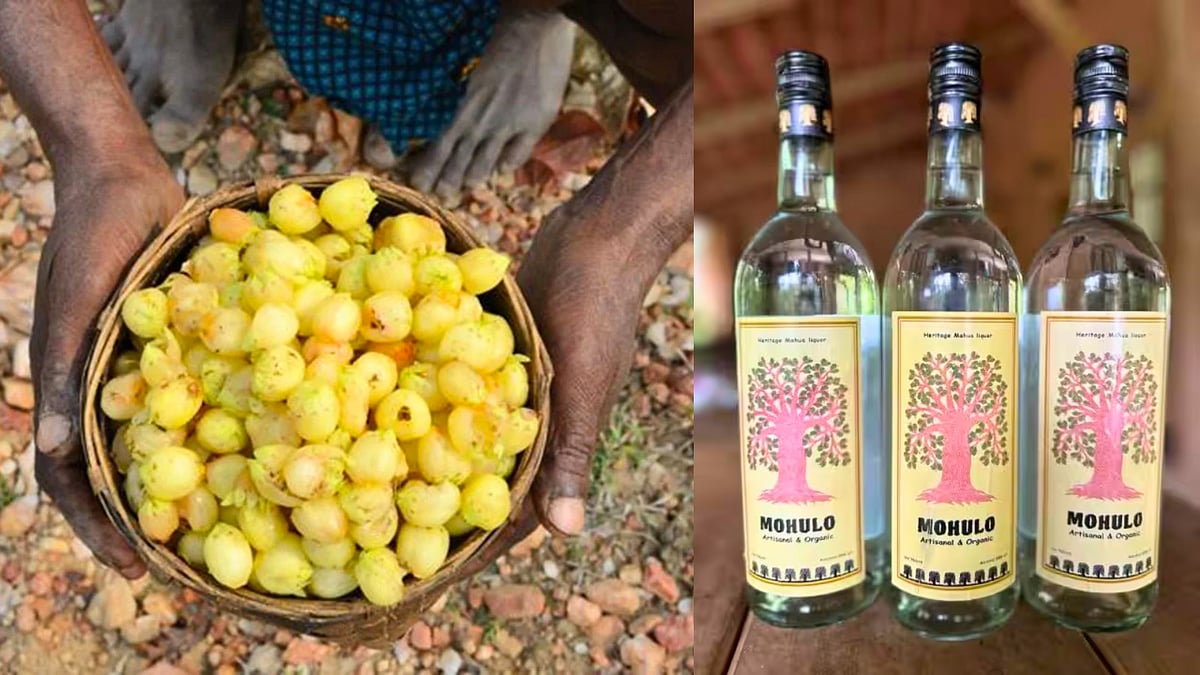 |
| Sura/Pakhala | Rice. Watch | 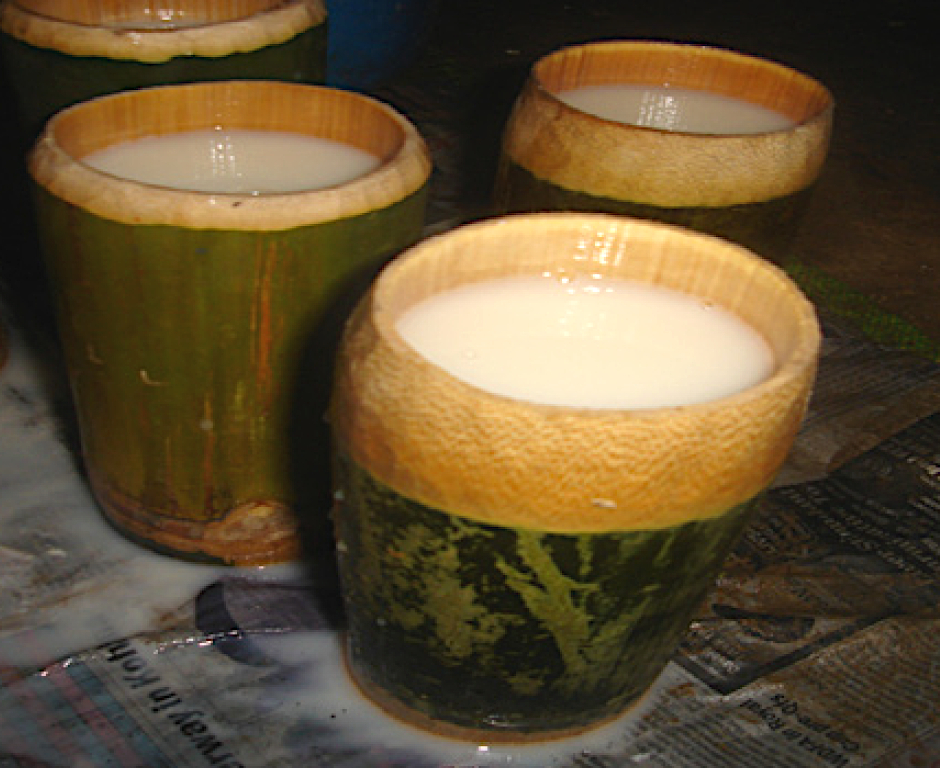 |
West and South India: Fruits, Flowers, and Palm Saps
Down south and west, the flavors get tropical. Maharashtra has Maireya, made from rice or wheat, often served during ritual occasions. Kerala and Tamil Nadu boast Toddy or Kallu, fermented from palm sap, a common sight at toddy shops and farm communities. These can be fresh and mildly alcoholic or left to ferment longer for a stronger kick. Coastal communities often gather at toddy shops, sharing stories over these natural brews. It’s a reminder of how fermentation has been a way to preserve and enjoy seasonal abundance.
Images are sourced from the internet. Original sources are credited in the Reference table below.
| Drink | Recipe & How It's Made (video link) | The Drink's Picture |
|---|---|---|
| Toddy/Kallu | Palm sap. Watch |  |
More Hidden Gems: Additional Traditional Drinks
Beyond the regional staples, India has a treasure trove of lesser-known fermented beverages, each with unique ingredients and cultural significance. Here are a few more worth exploring:
- Sudha: A fermented beverage made from flowers and sugarcane juice, popular in certain regions. Known for its sweet, tangy flavor and probiotic benefits.
- Rhodo Wine: Made from Rhododendron flowers in the Himalayas, offering floral notes and tart taste. Often consumed during festivals.
- Ludi: A rice beer from northeastern India, integral to cultural festivals in Assam, Arunachal Pradesh, and Nagaland.
- Gajjar Kanji: Fermented black carrots with mustard seeds, consumed during Holi and Diwali for its tangy, probiotic-rich profile.
- Khajurasava: Dates fermented with spices and herbs, valued in Ayurveda for digestion and immunity.
- Madhu: Honey-based fermented drinks, believed to have medicinal properties and named after the Sanskrit word for honey.
- Zutho: Rice beer from Nagaland, using a starter culture called “zemo.”
- Xaj: Herbal rice wine from Assam’s Mishing community, with a slightly sour taste.
Source: Arishtam
These brews really showcase India’s wild variety in fermentation, all tied to local plants and the changing seasons. For anyone into home brewing, places like Arishtam have step-by-step guides to recreate these traditional drinks using natural methods.
Honestly, these drinks are way more than just something to drink—they give you a real peek into India’s rich cultures and how people live sustainably. If you’re ever wandering through rural India, keep your eyes peeled for these local brews. You never know, one might become your new go-to drink.
For those interested in trying home brewing, check out detailed tutorials and recipes from Arishtam, which covers traditional methods using natural ingredients.
Reference: The Image’s Original Sources
| Drink | Image Source |
|---|---|
| Judima | nenews.in |
| Apong | Wikimedia Commons |
| Chhang/Lugri | sanity.io |
| Lugdi | rakkh.com |
| Handia | Wikimedia Commons |
| Mahua | homegrown.co.in |
| Sura/Pakhala | beer-studies.com |
| Maireya | Placeholder |
| Toddy/Kallu | arishtam.com |
Cover pic Source: Photo by Vintage Lenses: https://www.pexels.com/photo/traditional-mexican-cafe-de-olla-with-spices-34567232/